The Lost Alpine Passes of Northern Italy
Dispatched by 111111 Editorial Staff • Published Autumn 2025
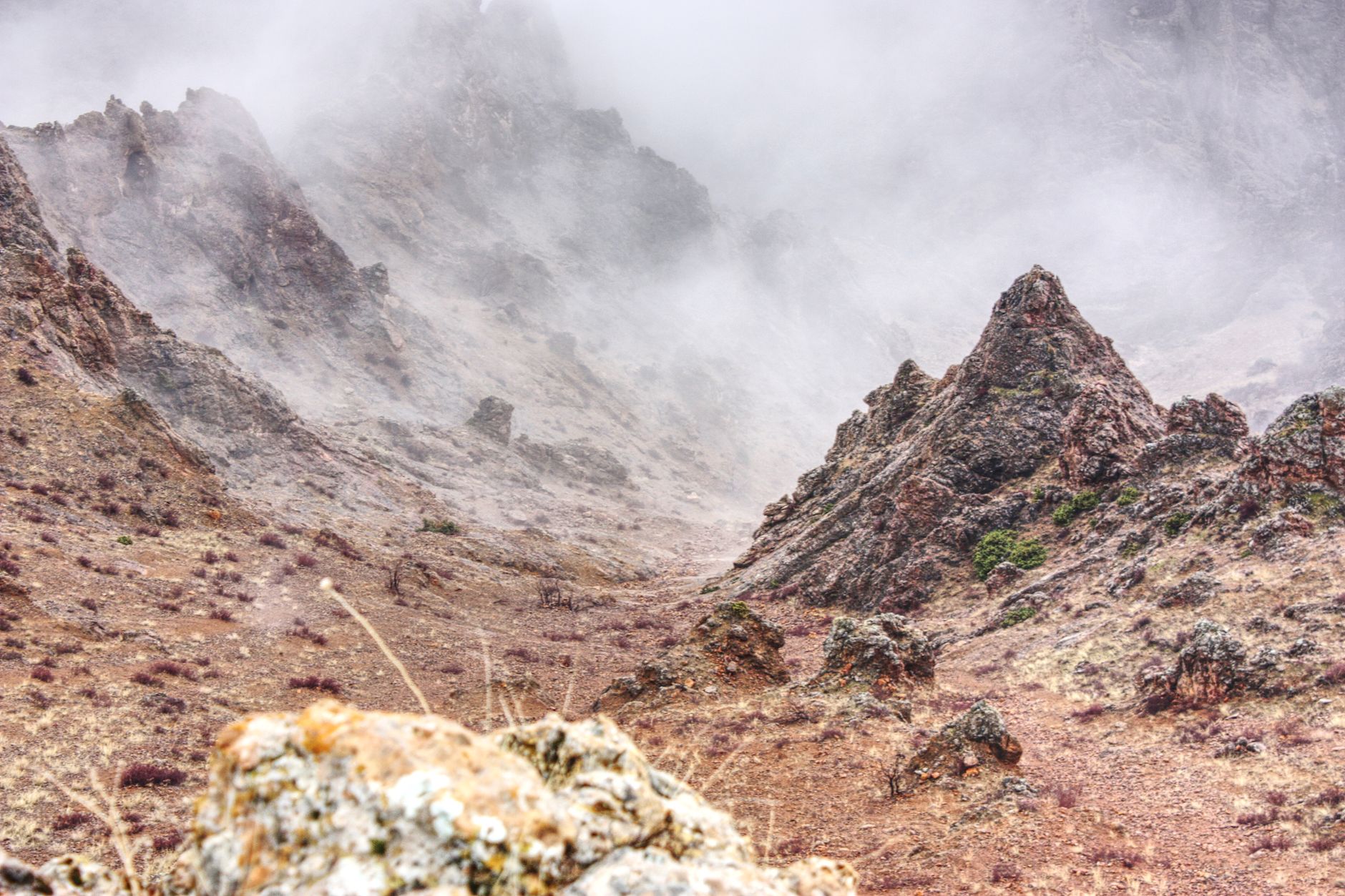
To encounter the Dolomites when the cable cars have ceased their humming is to comprehend rock in its native state: patient, unforgiving, and completely indifferent to human vanity.
In late October, before the first heavy blizzards seal the passes between the Trentino and Belluno borders, the high mountain tracks empty. For seventy-two hours, we followed an ancient mule trail winding upward beyond three thousand meters. The larches, previously deep viridian, had turned the color of hammered gold, shedding needles like dust across grey limestone scree.
The Geography of Seasonal Solitude
Life at this altitude is defined by the rhythm of transhumance. The cattle and dairy herders have descended into the lower valleys, leaving wooden barns barred shut. Only a handful of winter bivouacs remain open—small stone structures equipped with iron stoves, dry firewood, and rough bunk platforms.
Sleeping in these sanctuaries demands simplicity. There is no running water save for glacial trickles filtered through shale, and illumination comes strictly from beeswax candles. It is precisely this reduction of stimulus that renders the landscape audible: the creak of freezing limestone, the distant call of an alpine chough, the sudden whisper of an evening squall against corrugated iron.
Navigational Notes for the Wandering Mind
Those wishing to experience these passes must prioritize self-sufficiency. Always carry redundant physical cartography; temperature swings can deplete lithium batteries within hours. Seek accommodations at unstaffed emergency huts only when fully equipped with zero-degree sleeping equipment and thermal provisions.