Scent of Fermentation: An Oaxacan Field Study
Dispatched by 111111 Editorial Staff • Published Autumn 2025
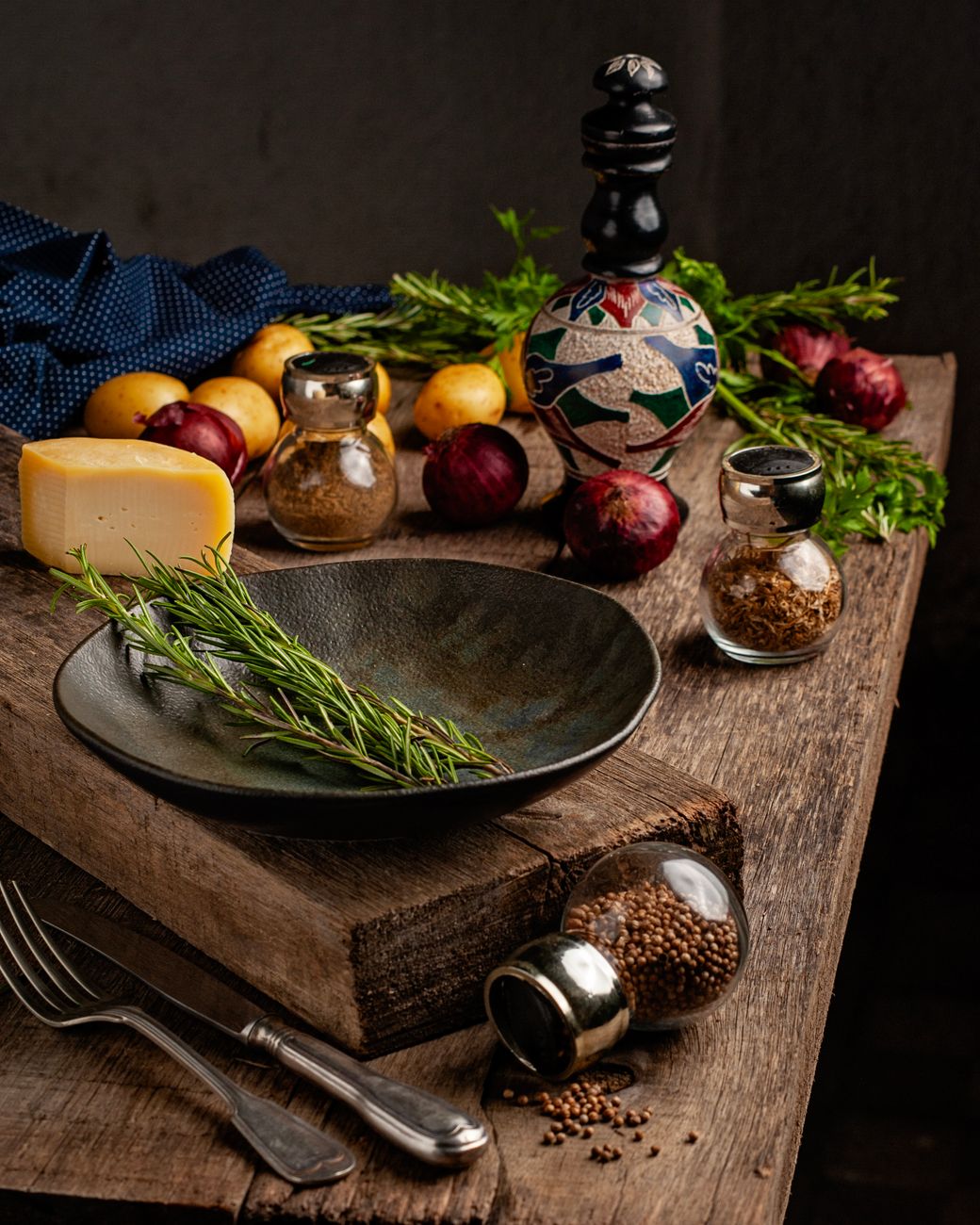
Long before industrial distillation streamlined flavor into repeatable averages, the highland valleys of Oaxaca understood distillation as a dialogue with wild yeasts and local wood.
We arrived in the village of Santa Catarina Minas at mid-morning, guided solely by the scent of roasted sugar and wet river clay. Here, the mezcal is not cooked in vast steel vats, but underground in conical stone pits fueled by encino oak and river stones. The agave piñas cook slowly for five continuous days, hidden beneath mounds of damp earth and palm fronds.
The Microscopic Ecology of Clay Pots
Unlike metal stills that introduce high thermal conductivity, ancestral clay vessels provide a gentle, porous distillation atmosphere. The spirits carry nuances of minerals, rain on dusty earth (petrichor), and fermented wild fruits. The process cannot be expedited; every batch reflects the humidity of the week it was mashed by hand using heavy wooden mallets.
Respectful Engagement with Rural Producers
Travelers visiting small palenques should remember that these spaces are multi-generational homes and agricultural workshops, not corporate visitor centers. Always purchase directly from the maestro mezcalero, pay cash without haggling, and listen to the lineage of the agave species before tasting.